Introduction to Micromounting
Micromounting is the practice of collecting, preparing, and studying tiny mineral specimens mounted for microscopic examination. It combines aspects of mineralogy, craftsmanship, and scientific documentation.
A micromount mineral is a tiny mineral specimen specially prepared for study under a microscope.
A micromount mineral (or simply micromount) is a very small mineral specimen that is mounted and usually examined under a microscope. These specimens are typically too small to be appreciated or identified with the naked eye, but they often display excellent crystal form, color, and perfection when viewed at magnification.
Micromounting is a branch of mineral collecting focused on preparing, labeling, and preserving tiny mineral crystals, usually by mounting them in small boxes or slides to protect them and make microscopic observation easier.
🔍 How Micromount Minerals Are Prepared and Collected
- Collecting the Material
Micromounters often collect rock or mineral samples from mines, quarries, or natural outcrops. Instead of looking for large, showy crystals, they seek pieces of rock that may contain tiny but well-formed crystals hidden inside.
- Breaking Down the Samples
Once collected, the rock is carefully broken down—often using chisels, hammers, or even dental tools—to expose the small crystal pockets. Sometimes, the best specimens are smaller than a grain of rice.
- Selecting and Mounting
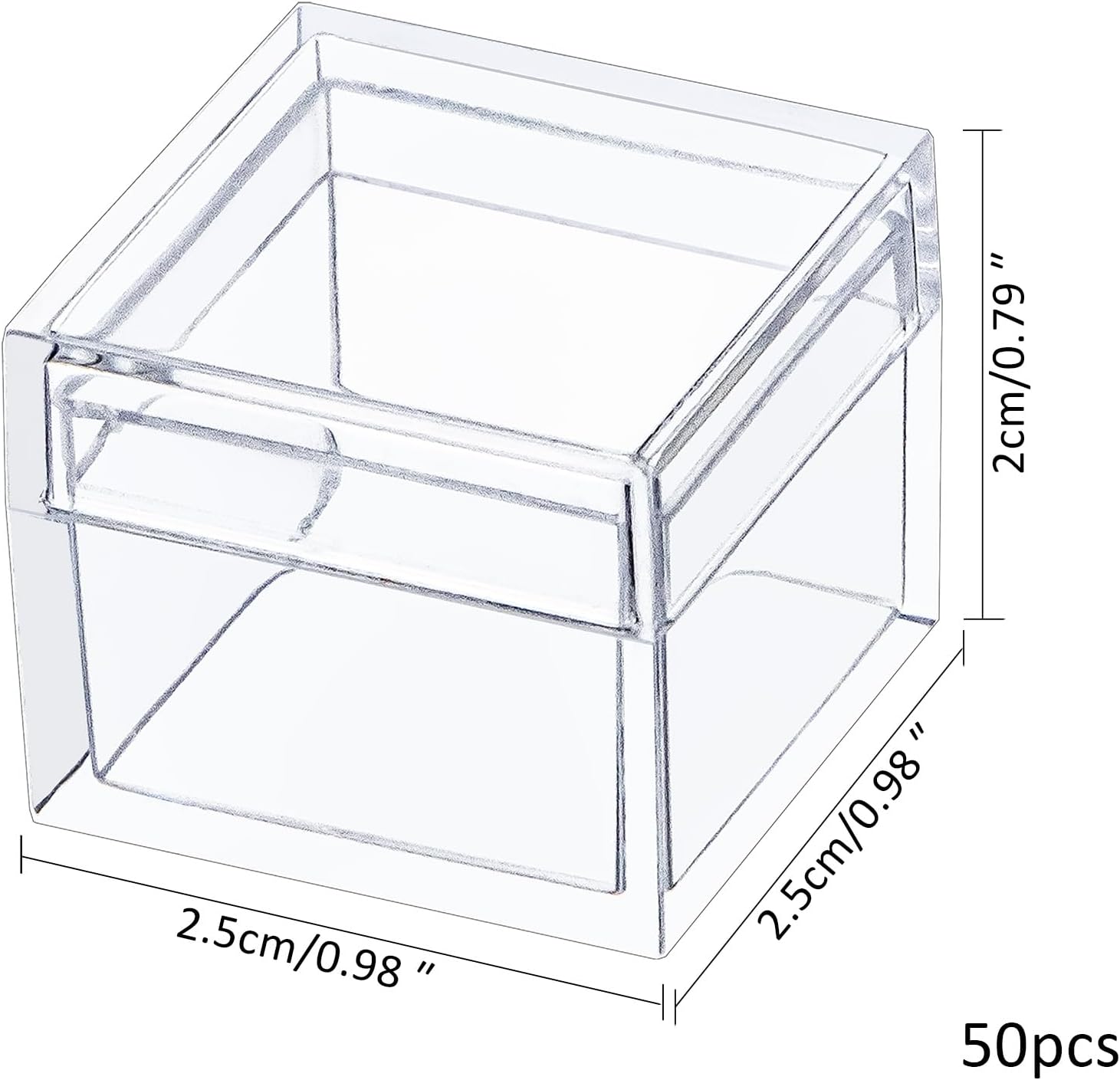
When a good tiny crystal or group of crystals is found, it’s placed on a small support (often a pin or a bit of glue on a card or cork) and mounted inside a small plastic or glass box (typically 2–5 cm wide). This helps protect the specimen and allows easy viewing under a microscope.
- Labeling and Cataloging
Each micromount is carefully labeled with important details — such as the mineral name, location, and collector’s name — since scientific accuracy is a big part of micromounting.
- Observation and Study
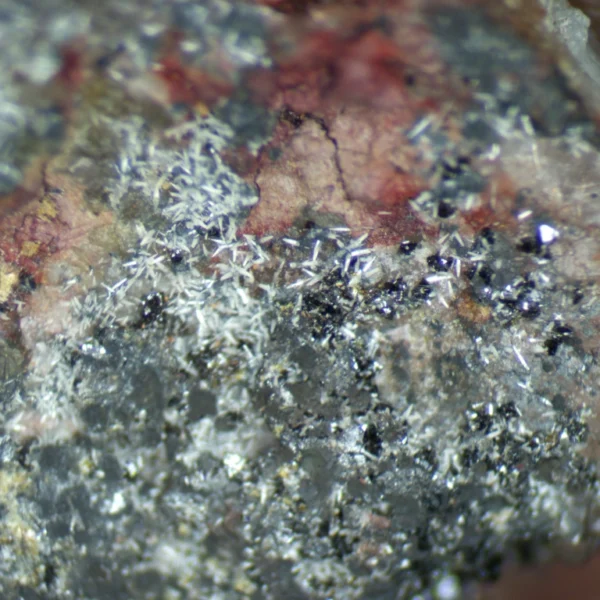
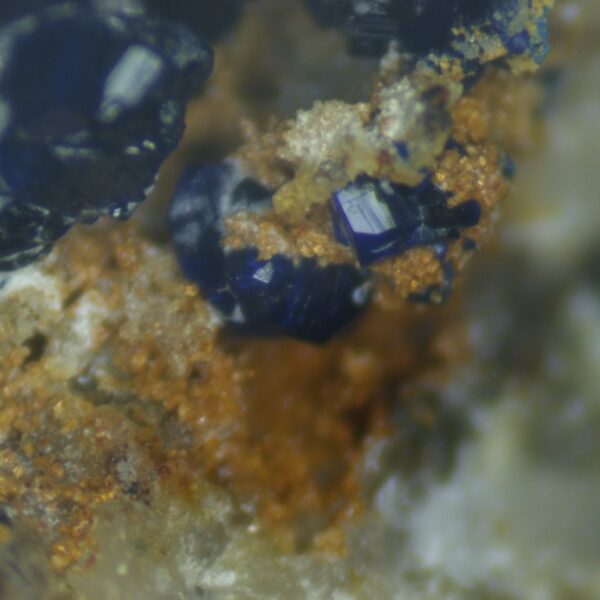
Micromounters use stereo microscopes (usually 10× to 40× magnification) to admire and study the crystals. Under magnification, even the smallest specimens can show perfect crystal forms, bright colors, and rare minerals that would be invisible otherwise.
🧰 Typical Micromount Setup1. Microscope
- The centerpiece of any micromounter’s workspace.
- Usually a stereo (binocular) microscope with magnification between 10× and 40×.
- Provides a three-dimensional view, allowing the collector to appreciate the crystal structure and detail.
- Optional features: built-in LED lighting, zoom optics, or a camera adapter for photographing specimens.
Trinocular microscope
A trinocular microscope is a great choice for anyone who enjoys studying micromounted minerals. The extra (third) tube on top lets you attach a digital camera, which can be connected to your PC monitor. This way, you can see your micromounts in real time on a big screen — perfect for spotting fine crystal details, colors, and shapes that are easy to miss through the eyepieces alone. It also makes it simple to take photos, record videos, or share your best finds with other collectors. Viewing your micromounts on a monitor adds comfort, precision, and a whole new level of enjoyment to the hobby.
📸 Cameras for Trinocular Microscopes
Most collectors use a digital microscope camera that fits into the trinocular port (usually a standard 23 mm or 30 mm mount). These cameras are designed specifically for microscopes and connect to your computer via USB or HDMI.
Common types include:
- USB microscope cameras – plug directly into your PC or laptop; easy to use and affordable.
- HDMI cameras – connect straight to a monitor or TV for real-time viewing without a computer.
- DSLR or mirrorless cameras – can also be adapted to trinocular microscopes for very high-quality photos, though they require extra adapters and setup.
When choosing a camera, look for one with at least 5 megapixels and live-view capability for smooth, detailed images of your micromounts.
💻 Software for Viewing and Capturing
Most microscope cameras come with their own image-capture and measurement software. Popular programs include:
- ToupView (bundled with many USB cameras)
- AmScope Software (for AmScope brand microscopes)
- Oasis Scientific or DigiView software (depending on camera model)
- OBS Studio – great for live viewing, screen recording, or streaming your specimens
- ImageJ (free, open-source) – useful for adjusting contrast, measuring crystals, or enhancing images
With these tools, you can view your micromounts live on your PC, take still photos or videos, adjust lighting and focus, and even label or archive your favorite specimens digitally.
2. Lighting
- Good illumination is essential.
- Fiber-optic or LED ring lights are commonly used to highlight the crystal faces and bring out colors and reflections.
- Some setups include adjustable light angles for better contrast.
AmScope LED-144W-ZK 144 LED Ring Light Illuminator
for Stereo Microscope & Camera
3. Tools for Preparation
- Fine tweezers and dental picks – for manipulating tiny crystals.
- Needles and scalpels – to separate crystals from matrix rock.
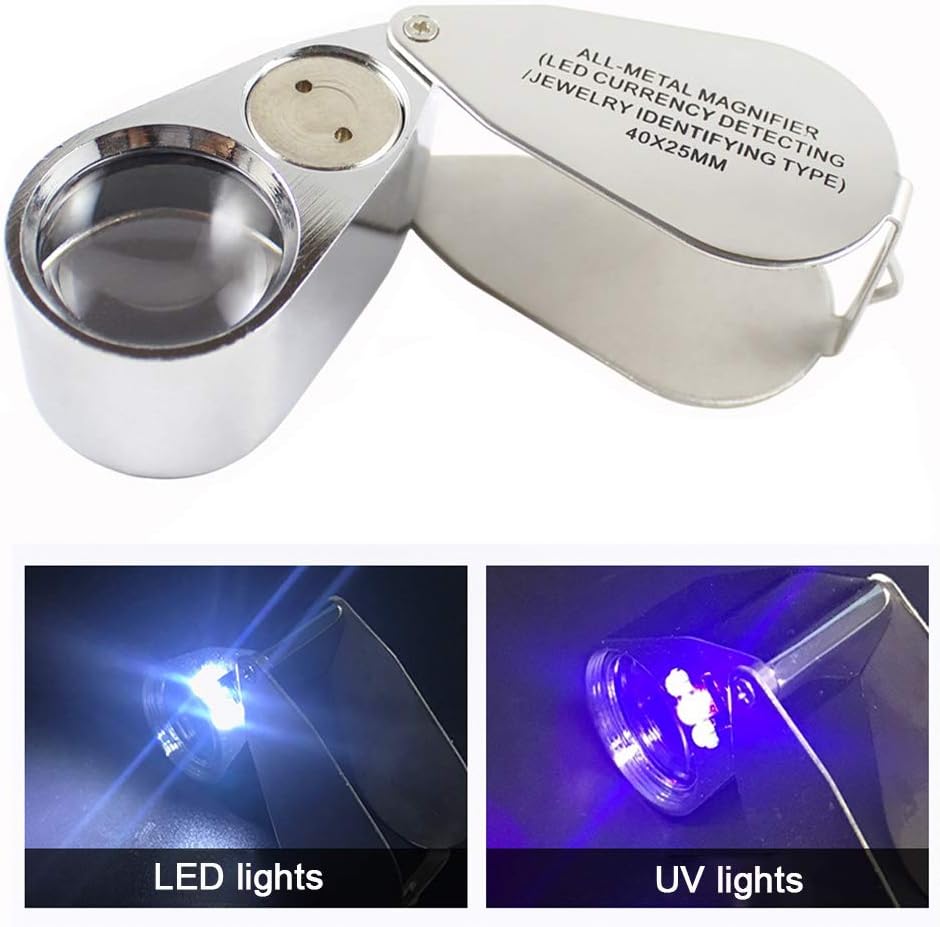
- Small hammers, chisels, and magnifying hand lenses – for breaking down collected rock.
- Compressed air, brushes, and alcohol – to clean specimens.
4. Mounting Materials
- Small plastic boxes (often 2×2 cm or 1×1 inch “micromount boxes”).
- Mounting bases such as cork, cardboard, or styrofoam.
- Glue (like white PVA or epoxy) to secure the specimen.
- Labels with mineral name, locality, and collection date.
5. Storage and Organization
- Micromount boxes are stored in drawers or trays, often sorted by mineral species or locality.
- Many collectors maintain a digital catalog with photographs and reference data.
6. Optional Equipment
- Camera system attached to the microscope for photographing specimens.
- UV lamp for studying fluorescent minerals.
- Micro-drill or Dremel tool for precision trimming.
I0DO 365nm Shortwave Uv Light for Minerals Rock Hunting
So, a micromounter’s workspace is a blend of scientific lab and miniature art studio — precision, patience, and attention to detail are key.
In fact, many minerals are best appreciated as micromounts, especially those that form tiny but perfect crystals, are too small to display as hand specimens, or are rare and fragile.
💎 1. Minerals that Commonly Form Tiny, Perfect Crystals
These species often occur as microcrystals even in large deposits:
- Quartz (varieties like amethyst, smoky, etc.)
- Fluorite
- Pyrite
- Galena
- Sphalerite
- Calcite
- Barite
- Apatite
- Wulfenite
- Vanadinite
🧪 2. Rare or Uncommon Minerals Often Found Only as Microscopic Crystals
Many rare species are never found in large form, so micromounting is essential:
- Aurichalcite
- Brochantite
- Adamite
- Erythrite
- Autunite
- Torbernite
- Azurite (microcrystals)
- Malachite (fibrous or botryoidal)
- Linarite
- Cerussite
⚡ 3. Minerals That Are Fragile or Delicate
Too fragile for handling, so mounting protects them:
- Gypsum (especially selenite)
- Aragonite
- Prehnite
- Natrolite
- Stilbite
- Mesolite
- Hemimorphite
🧭 4. Minerals Valued for Their Aesthetic Microcrystals
Even common species can show stunning crystal habits under magnification:
- Copper (native)
- Gold (microcrystals)
- Silver (wire or dendritic forms)
- Cuprite
- Rutile
- Anatase
- Brookite
- Siderite
🌍 5. Secondary or Oxidation-Zone Minerals
Many form colorful, minute crystals ideal for micromounts:
- Smithsonite
- Chrysocolla
- Plancheite
- Mimetite
- Descloizite
- Mottramite
- Conichalcite
- Legrandite
🪶 In summary:
The best micromount minerals are those that form well-defined, colorful, or rare crystals at microscopic scales — even if they’re too small, delicate, or rare to collect as full-size specimens.
Share this article with in your socials:
At Allmicromounts.com you’ll find some of those minerals and many more, just take a look: