Start With What Interests You
Decide whether you’re drawn to colorful minerals, crystals, local specimens, or specific groups (quartz varieties, sulfides, etc.). A focus helps guide early purchases.
Learn the Basics of Identification
Get familiar with hardness (Mohs scale), luster, streak, cleavage, and crystal habits. Even a simple field guide can take you far.
>> Information on mineral collecting
Begin Small & Affordable
Starter minerals like quartz, amethyst, pyrite, fluorite, calcite, and hematite are inexpensive and easy to identify—great for building confidence.
Buy From Reputable Sellers
Whether online or at rock shops, mineral shows, or from club members, choose sellers who provide accurate labels and avoid dyed or mislabeled pieces.
Join a Local Rock & Mineral Club
Clubs often host field trips, swaps, lectures, and have experienced collectors who love to help beginners.
>> Browse a directory with worldwide mineralogical clubs
Label Every Specimen Immediately
Include name, location, and date acquired. Good labeling early on prevents confusion as your collection grows.
Store and Display Properly
Use small boxes, drawers, display cases, or foam-padded trays. Keep minerals away from direct sunlight—some fade (e.g., amethyst, realgar).
Handle With Care
Some minerals are fragile, water-sensitive (e.g., selenite), or toxic if powdered (e.g., cinnabar). Learn specimen-specific care needs.
Keep a Catalog or Spreadsheet
Track specimen details, value, source, and notes. This helps with organization and long-term learning.
Go Collecting in the Field
If possible, visit local quarries, mines, or natural outcrops with proper permissions and safety gear. Field collecting adds personal meaning to your specimens.
Organizing a mineral collection by mineral class is one of the most scientific methods and helps you understand how minerals relate to each other chemically and structurally. Specimens can be grouped into categories such as silicates, carbonates, oxides, sulfides, and native elements.
These minerals are made up of carbonate ions (CO3) and a metal ion, such as calcium or magnesium. Examples include calcite and dolomite.
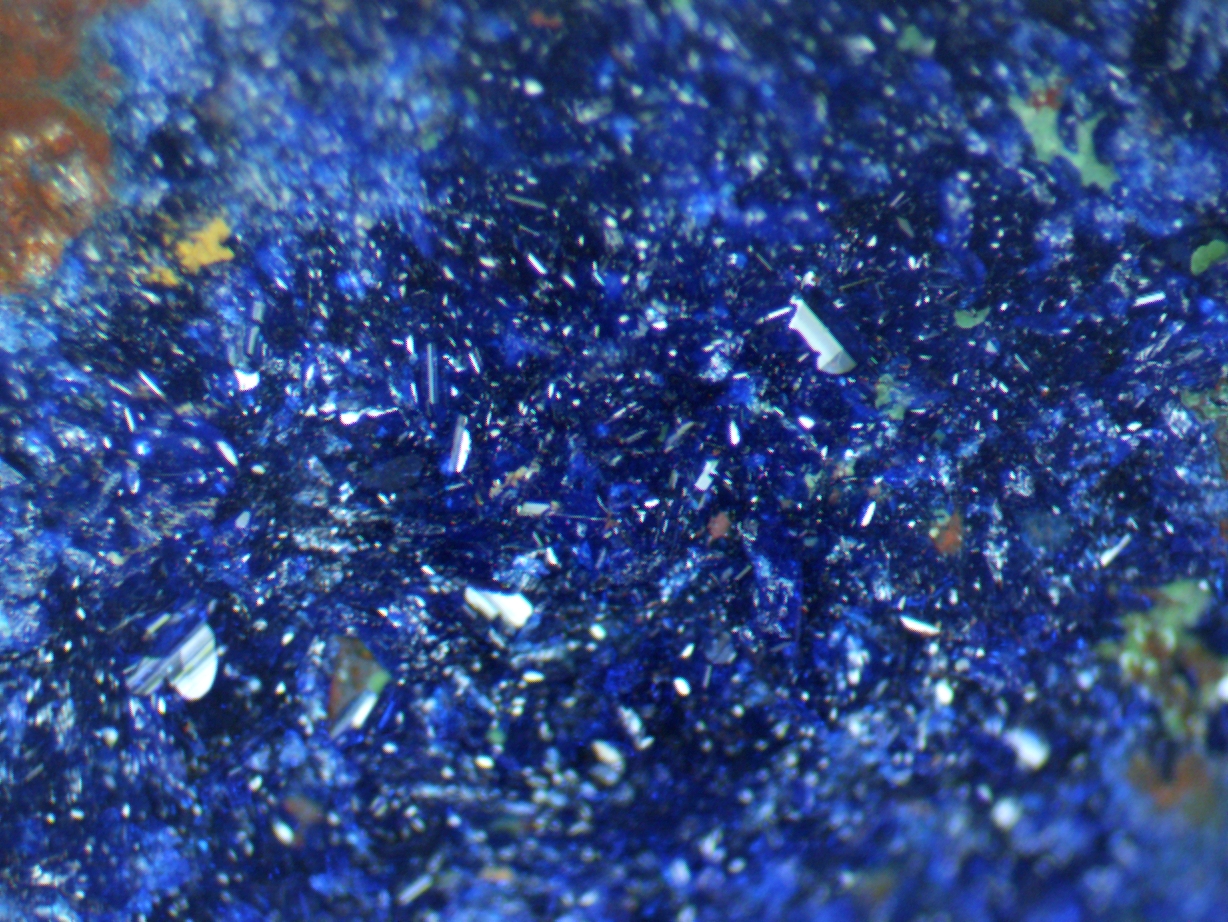
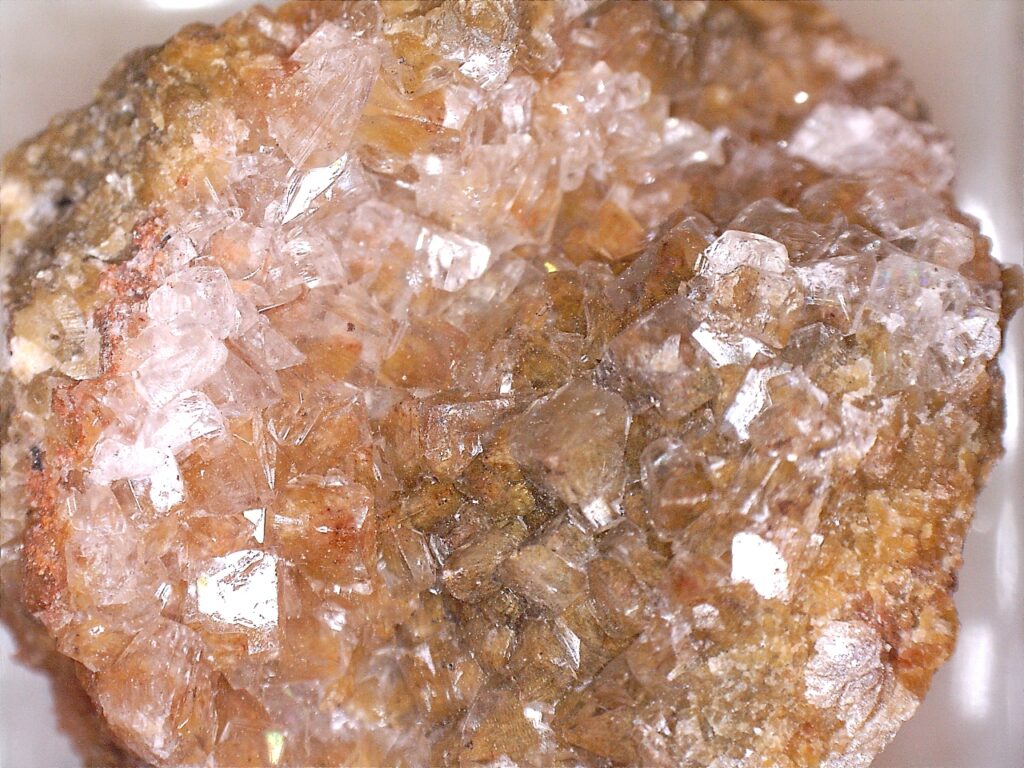
These minerals are made up of oxygen and a metal ion. The oxide mineral class includes those minerals in which the oxide anion (O2) is bonded to one or more metal ions. The hydroxide bearing minerals are typically included in the oxide class. Examples include hematite and magnetite.
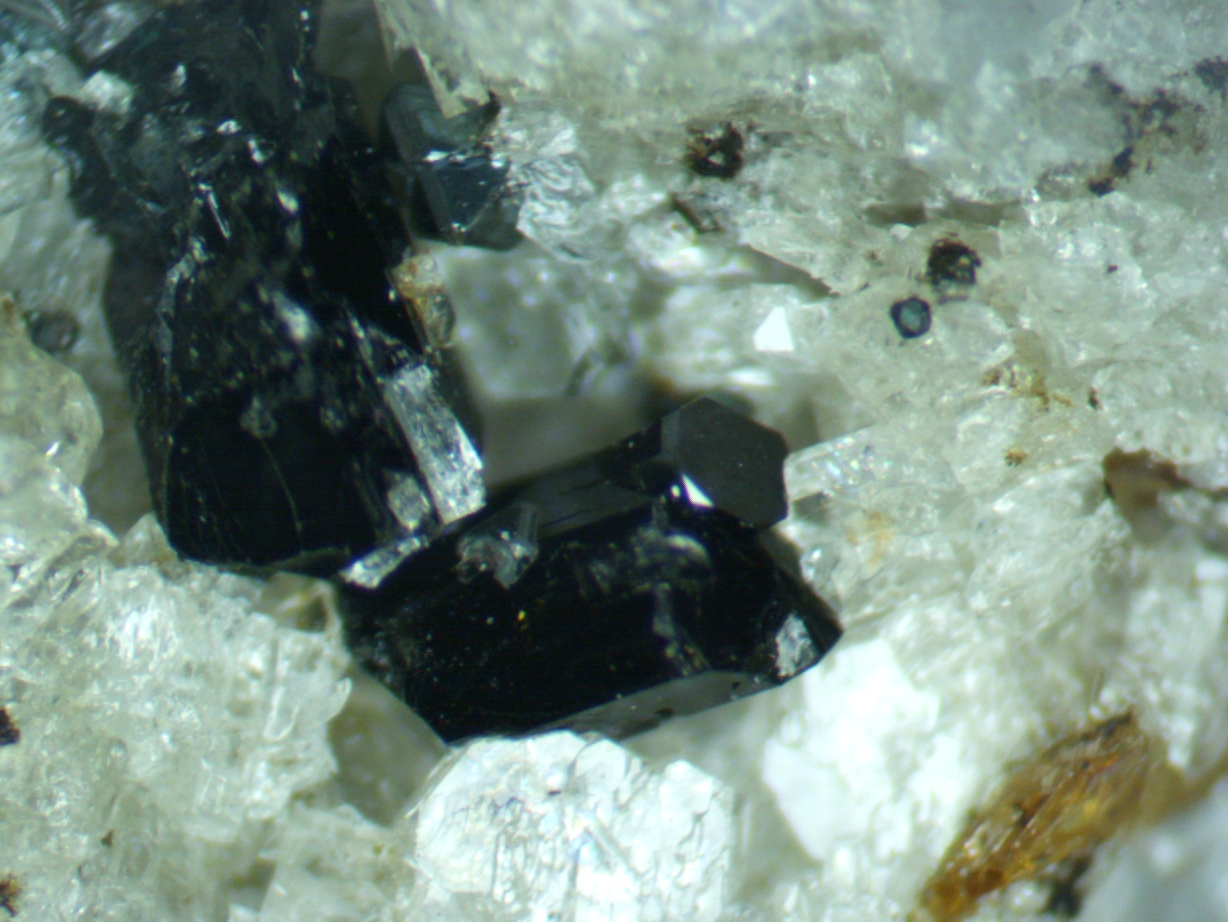
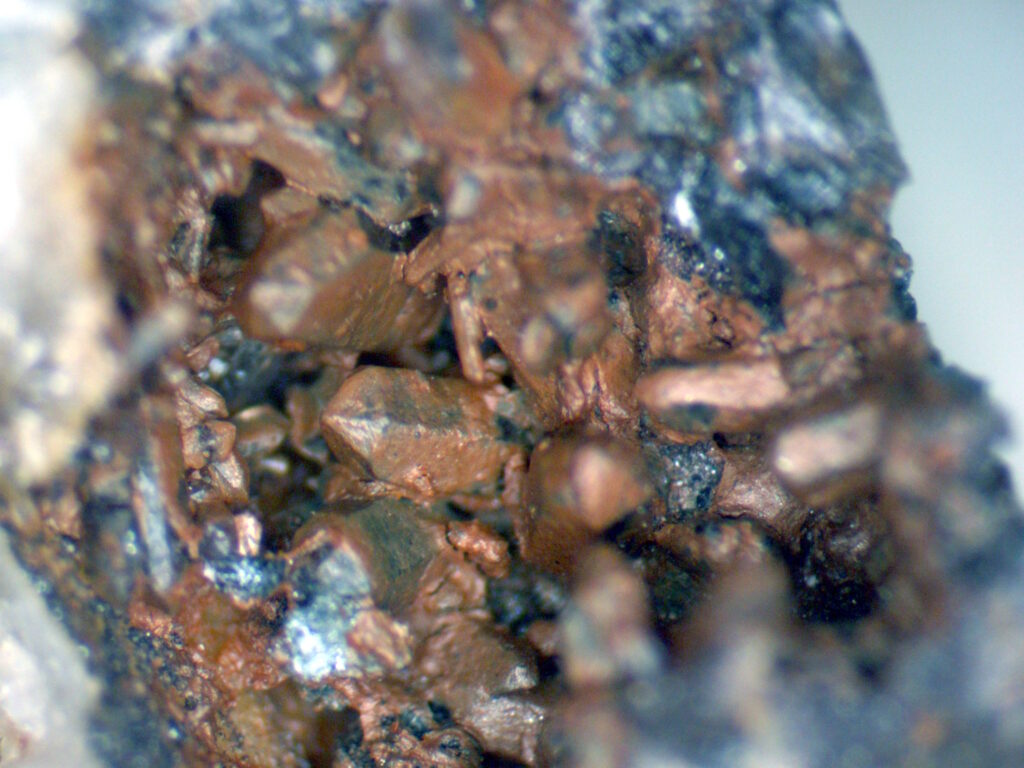
Phosphate minerals are those minerals that contain the tetrahedrally coordinated phosphate (PO4) anion along with the freely substituting arsenate (AsO43-) and vanadate (VO43-). Chlorine (Cl-), fluorine (F-), and hydroxide (OH-) anions also fit into the crystal structure.

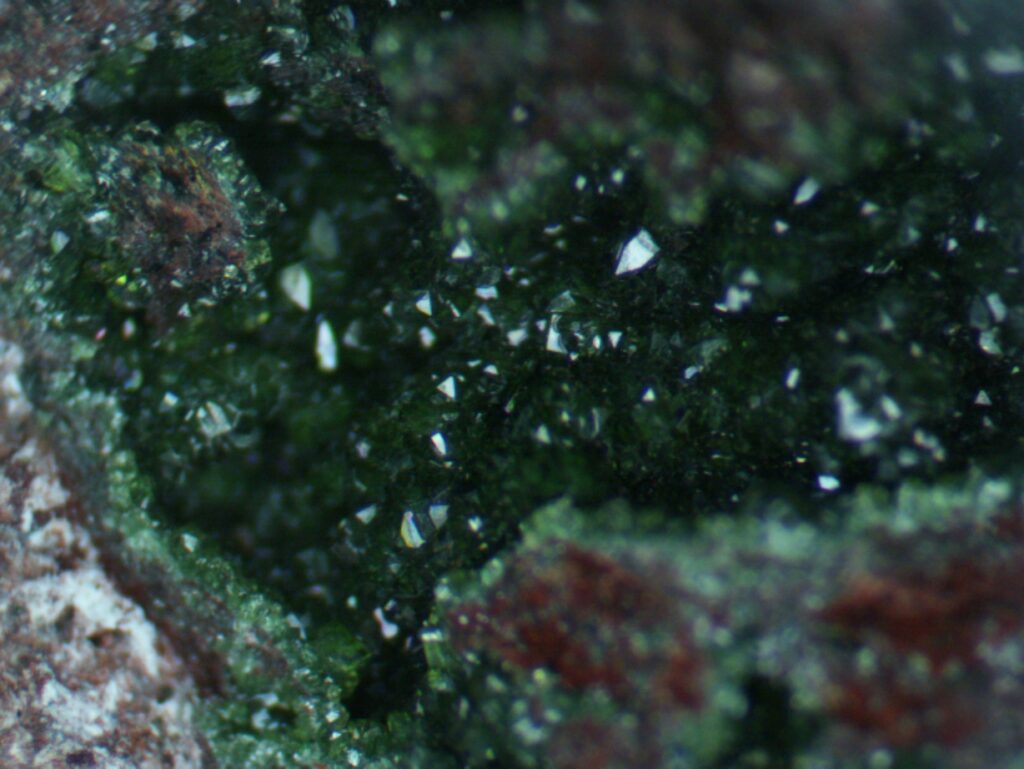
Sulfates, Selenates, Tellurates, Chromates, Molybdates, Wolframates This class represents great group of minerals with respective complexes: SO4, TeO4, CrO4, MoO4, WO4 tetrahedra. This class is classified into groups of hydrous and anhydrous minerals.
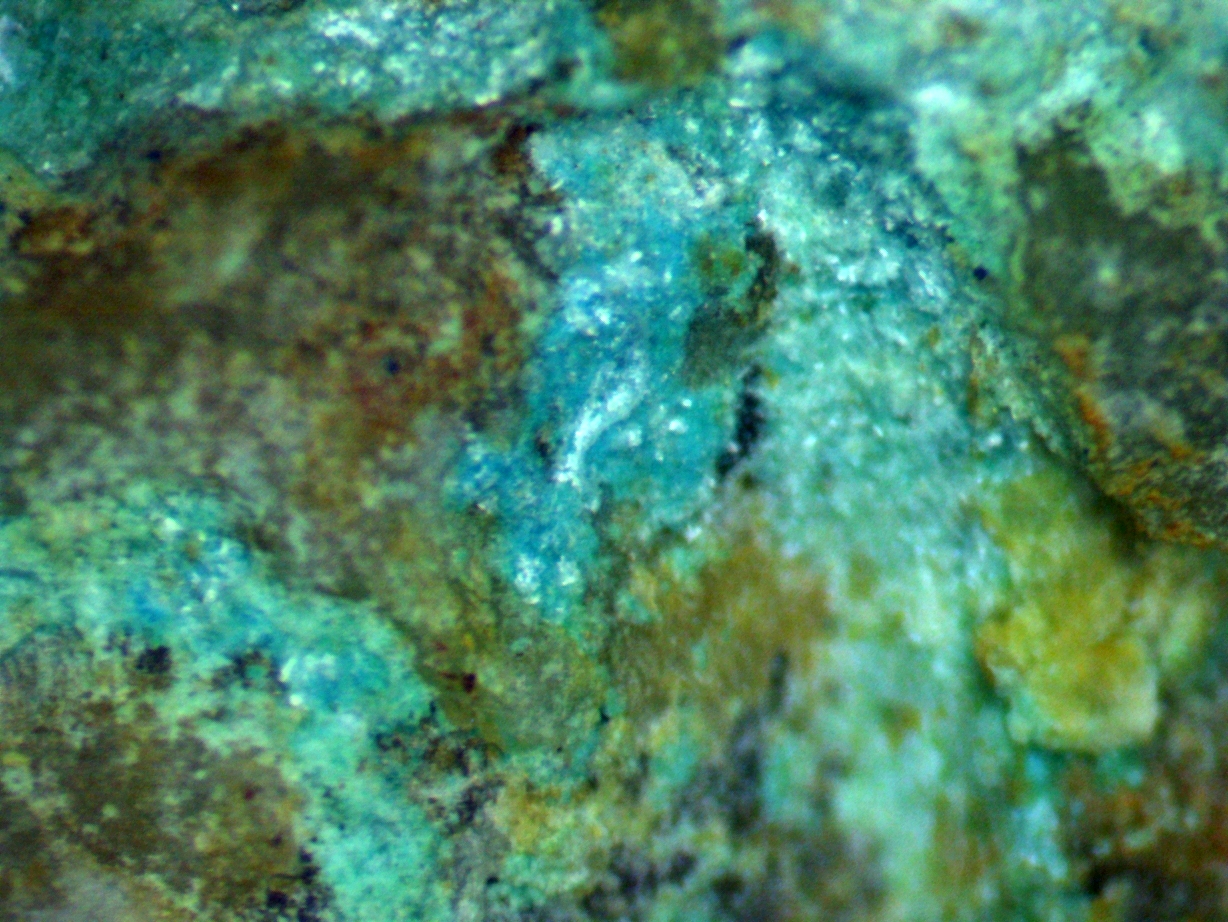
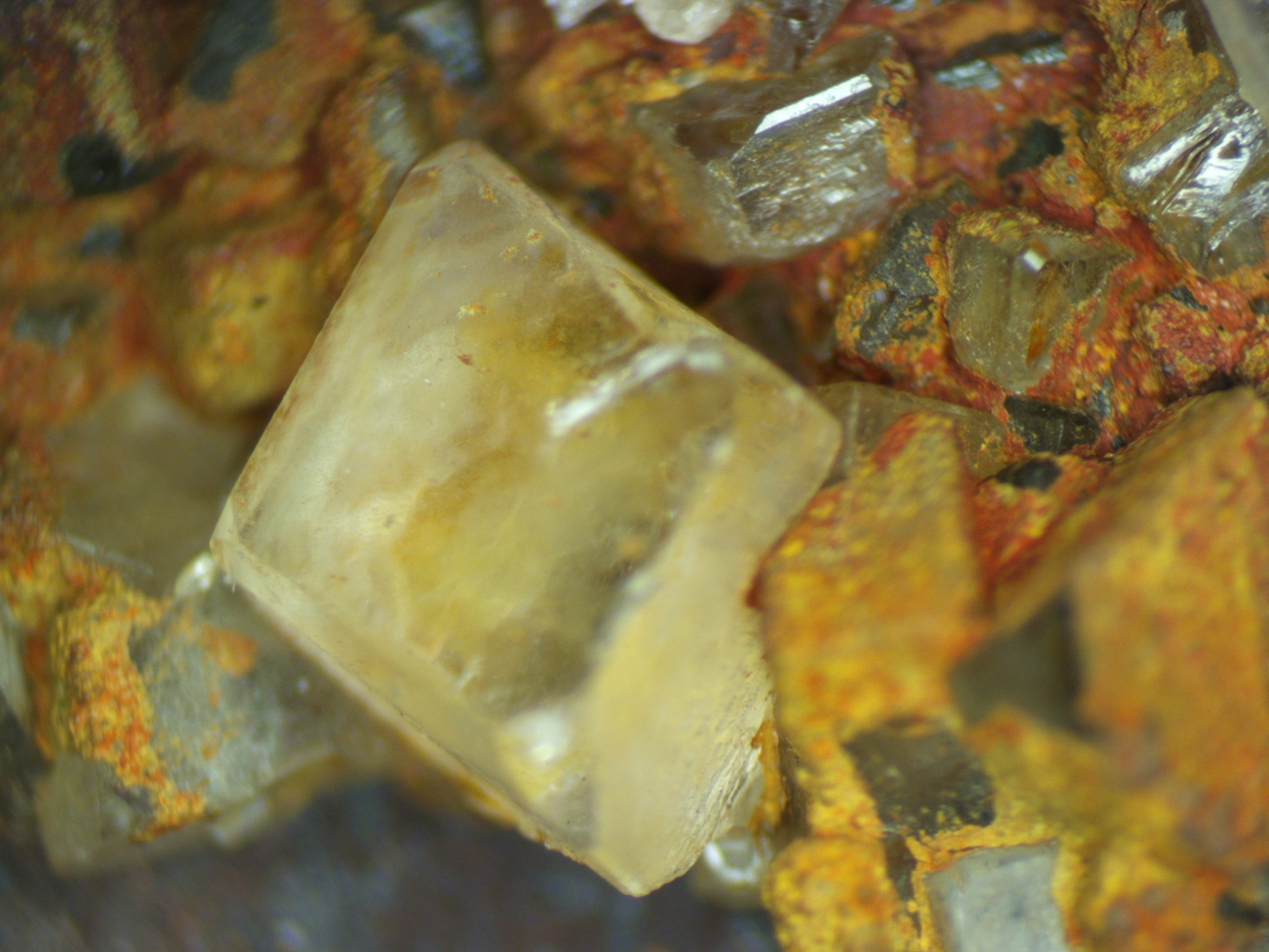
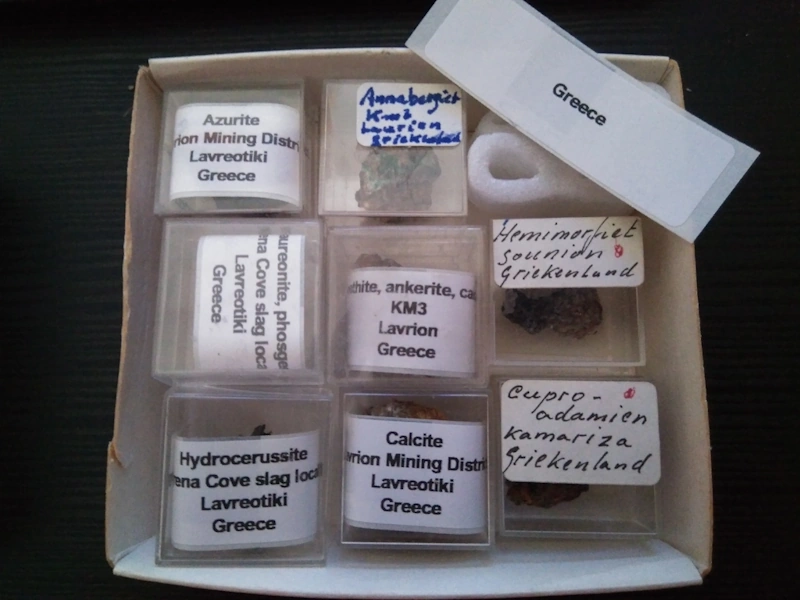
Sorting by country or locality is popular among collectors who value the history and geology of specific regions. Minerals often vary widely in appearance depending on where they come from, even within the same species. Arranging specimens by locality allows you to appreciate global geological diversity and can make your collection feel like a world tour of mineral deposits.
Browse our shop by country to easily locate minerals from historic and sought-after localities. Elevate your collection with authentic, origin-verified pieces from around the globe.
Organizing by color is visually striking and works well for display cases or home décor. Grouping minerals into shades—such as greens, purples, blues, or metallic tones—creates an aesthetically pleasing gradient that appeals to casual viewers. This method is less scientific, but it makes your collection instantly attractive and easy to browse, especially for beginners or public display settings.